Choosing a Guru in Modern Times: How to Spot a True Teacher
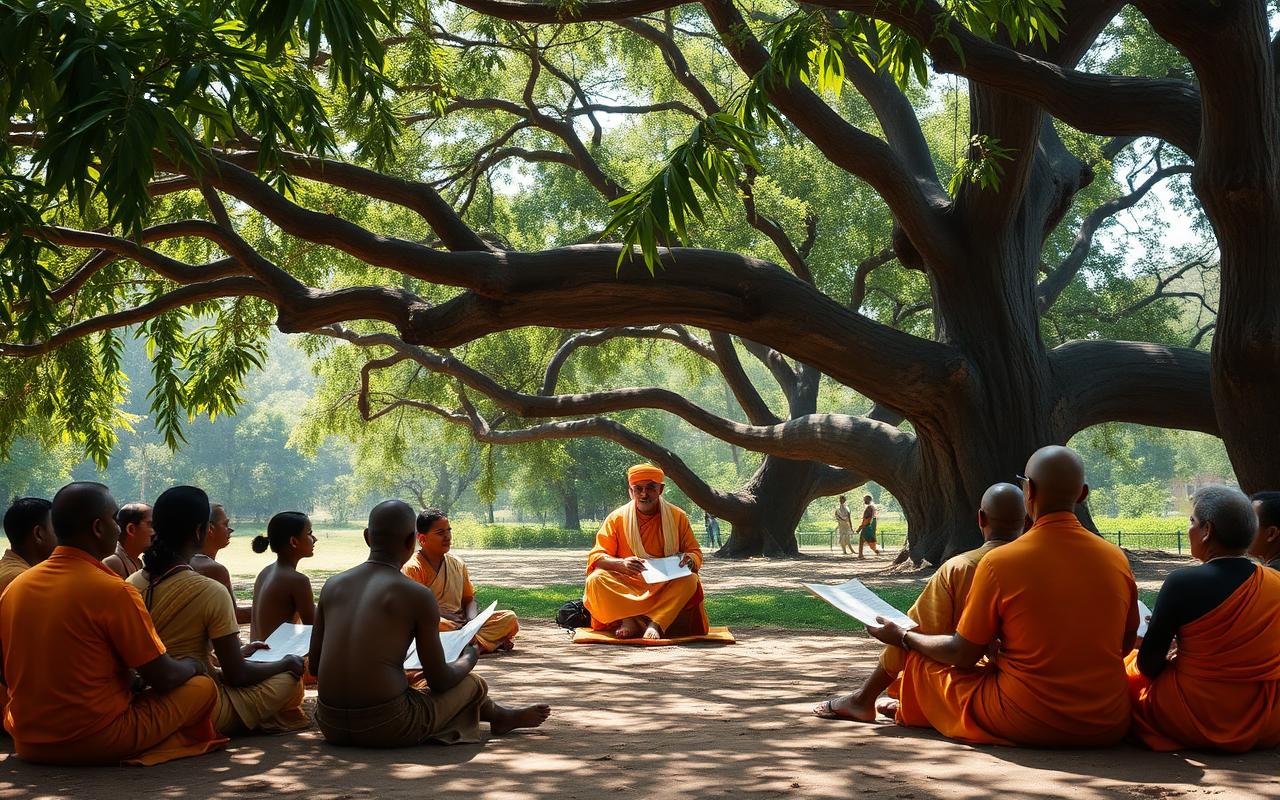
There has never been a time in human history when so many people were calling themselves gurus, and there has never been a time when seekers had so little reliable guidance for choosing one. The classical Hindu texts foresaw this problem and gave us a precise set of tests. They are worth knowing whether you are about to take a teacher seriously or whether you are wondering about one you have already taken.
Test one: lineage. A genuine guru is rooted in an unbroken Parampara. Ask: who was your teacher? Who was their teacher? And theirs? An authentic teacher can usually trace the lineage back at least seven generations, often into a recognised tradition - Advaita Vedanta, Sri Vidya, Nath, Bauls, Vaishnava sampradayas, and so on. A teacher who cannot or will not name their lineage is, with very rare exceptions, not authentic.
There are genuine exceptions. The occasional 'pratyaksha guru' - a spontaneously awakened teacher who arrives outside a formal lineage - does exist. Ramana Maharshi is the most famous twentieth-century example. But such cases are extraordinarily rare, and the fruits of such a teacher are unmistakable - depth of presence, recognition by other established teachers, and a body of teaching that stands on its own merit over decades.
Test two: the teacher's own teacher tradition. Look at the teachers of your teacher. Were they recognised by their own peers? Did they leave behind disciples who carry the lineage forward in turn? A teacher whose own teachers are obscure or whose tradition has produced no other recognisable teachers is a red flag.
Test three: the teacher does not demand devotion to themselves. This is one of the sharpest classical tests, and one of the most violated. A genuine guru points the student towards their own direct experience, towards the Self, towards the deity. The guru is a finger pointing at the moon; the student must look at the moon, not at the finger. A teacher who demands worship of their own body, their own form, their own personality, is reversing the arrow.
Test four: alignment between teaching and life. Look at how the teacher lives. The classical texts are blunt: a teacher who teaches discipline but lives in luxury, who teaches non-attachment but accumulates property in their own name, who teaches truthfulness but is caught in financial irregularities, is not what they claim to be. The teaching and the life must match.
This does not mean the teacher must be poor. Some genuine teachers run large institutions and live in well-appointed ashrams. The test is alignment, not poverty. Does the wealth belong to the institution or to the teacher personally? Does the lifestyle serve the teaching or contradict it? Does the teacher walk into the kitchen and treat the cook the same way they treat the wealthy donor?
Test five: charging for teaching. Charging is not disqualifying. Vedic tradition prescribes Dakshina - a contribution from the student to the teacher - and many classical texts give specific guidance on how much. What is disqualifying is the inversion: a teacher whose primary product is luxury retreats and high-priced certifications, and whose secondary product is the teaching itself. When the financial structure dominates the spiritual one, you are dealing with a business, not a Parampara.
Test six: how the teacher handles disagreement. Watch how the teacher responds when a student disagrees publicly, when a journalist asks an uncomfortable question, when a senior disciple leaves. A genuine teacher absorbs criticism with grace, answers questions honestly, and lets disciples leave without rancour. A teacher who responds to disagreement with anger, who silences questioners, or who turns on departing students is showing you their ego, not their realisation.
Test seven: scriptural grounding. The Mundaka Upanishad says it plainly: approach a teacher who is shrotriya (learned in the scriptures) and brahmanishtha (established in Brahman). Both qualifications, not one. A teacher who is well-read but not awake gives you information without transmission. A teacher who claims awakening but cannot reference the texts is more likely a self-deluded enthusiast than a master. The genuine ones have both.
Test eight: what the teacher does for the marginalised. A genuine teacher of any age has, somewhere in their work, a thread of service to those who cannot pay - to the poor, the elderly, the dying, the abandoned children. If the entire student body of a teacher is wealthy and articulate, something is missing. The classical tradition saw service to the marginalised as inseparable from spiritual realisation.
Test nine: time. Give it years before you fully commit. The classical relationship with a guru is a multi-decade commitment, and there is no urgency to commit fully in the first year. Sit with the teacher. Study the teachings. Observe the senior disciples - they show you what twenty years of this teaching produces in a human being. If the seniors are calm, humble, of good character, and growing more so over time, the teaching works. If the seniors are anxious, cliquey, and protective of access to the teacher, the teaching has a problem.
Test ten: your own inner discernment. The classical word is viveka - discriminative wisdom. The Bhagavad Gita is clear that the seeker who studies, who asks questions, who tests with patience, who serves with humility, will find the teacher who matches their stage. The mistake to avoid is the opposite of both extremes - neither blind devotion nor cynical dismissal, but patient and honest testing.
The genuine teachers are out there. The tradition is not dead. But finding one takes the same discernment you would use to choose a life partner or a surgeon - perhaps more. Do not rush. Read the classical texts yourself. Cultivate your own daily practice. The teacher who is right for you will appear when the inner readiness is real. Until then, the practice itself is your guru.
Want personal guidance on this?
Speak to an acharya for a chart-based consultation tailored to your situation.
Frequently Asked Questions
Is the guidance in "Choosing a Guru in Modern Times: How to Spot a True Teacher" authentic and lineage-based?+
Yes. Every article on VedicAstroTalk is written by lineage-trained acharyas of Shree Pitambra Vidya Gurukulam and cross-checked against classical Sanskrit texts such as Brihat Parashara Hora Shastra, Phaladeepika, and Jaimini Sutras before publication.
How can I get a personal reading based on this topic?+
Book an Astrological Consultation from our consultations page. You will receive a sidereal chart (Lahiri ayanamsa), a 20-year Vimshottari Dasha map, and a written remedial protocol tailored to your birth details.