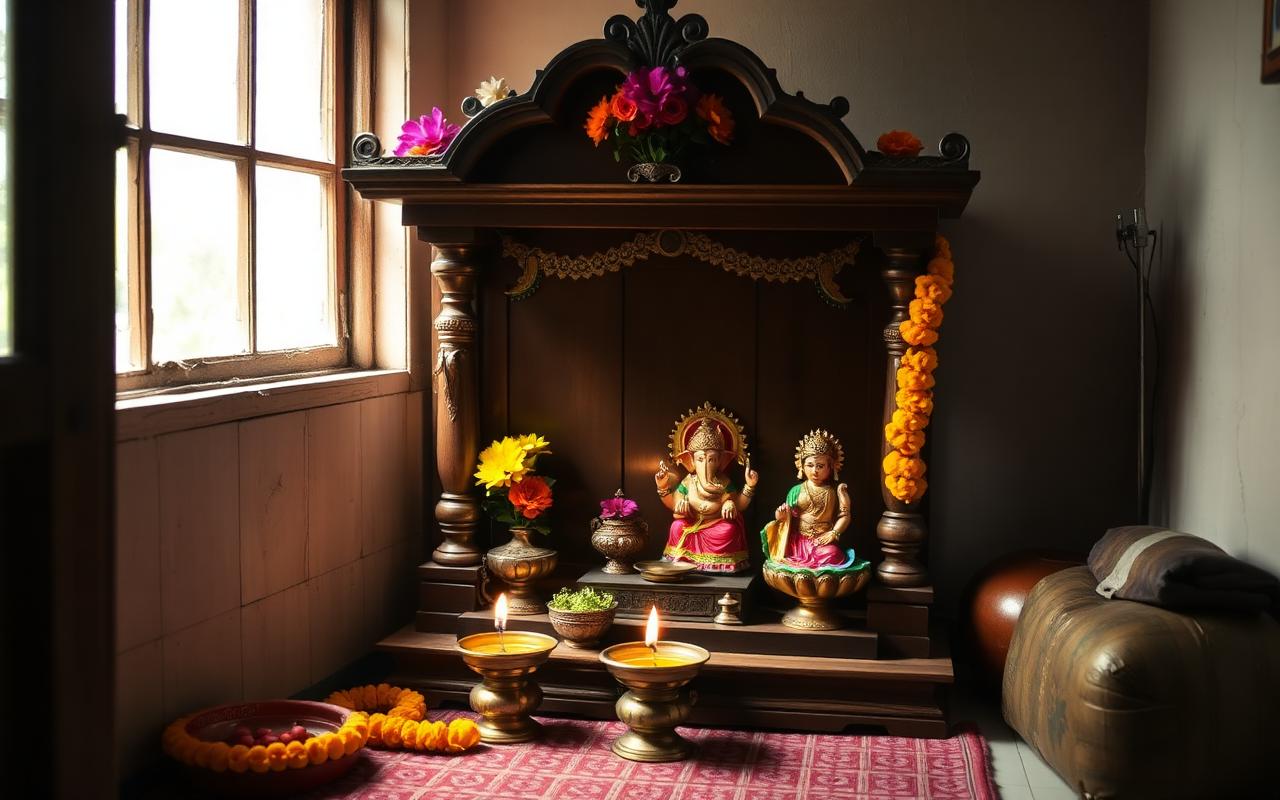
Fasting in Hindu Tradition: Why Each Day Has Its Own Vrat
Modern science is just discovering what the Vedic tradition has taught for millennia - that periodic fasting resets metabolism, sharpens cognition, and reduces systemic inflammation. The Vrat tradition simply added a deity to remember while you do it, and a planetary logic to tell you which day is best for which kind of fast. Done correctly, Vrat is both a spiritual and a physiological practice.
The English word 'fast' undersells what Vrat actually is. A Vrat is a vow - a Sankalpa - to abstain from certain things for a specific period in honour of a specific deity. The abstention is not always from food. Some Vrats are abstention from salt. Some from grains. Some from speech. Some from a particular activity. The discipline of the Vrat is itself the offering.
Monday Vrat - Som Vrat - for Chandra and Shiva. Recommended for emotional volatility, lunar weakness in the chart, marital harmony (especially for unmarried women seeking a husband), and Shiva worship generally. The Vrat traditionally involves abstaining from salt after sunset and taking only one simple satvik meal. The classical Sankalpa is 16 consecutive Mondays. Many young women undertake the Solah Somvar Vrat for the husband of their choice; the tradition records remarkable success rates.
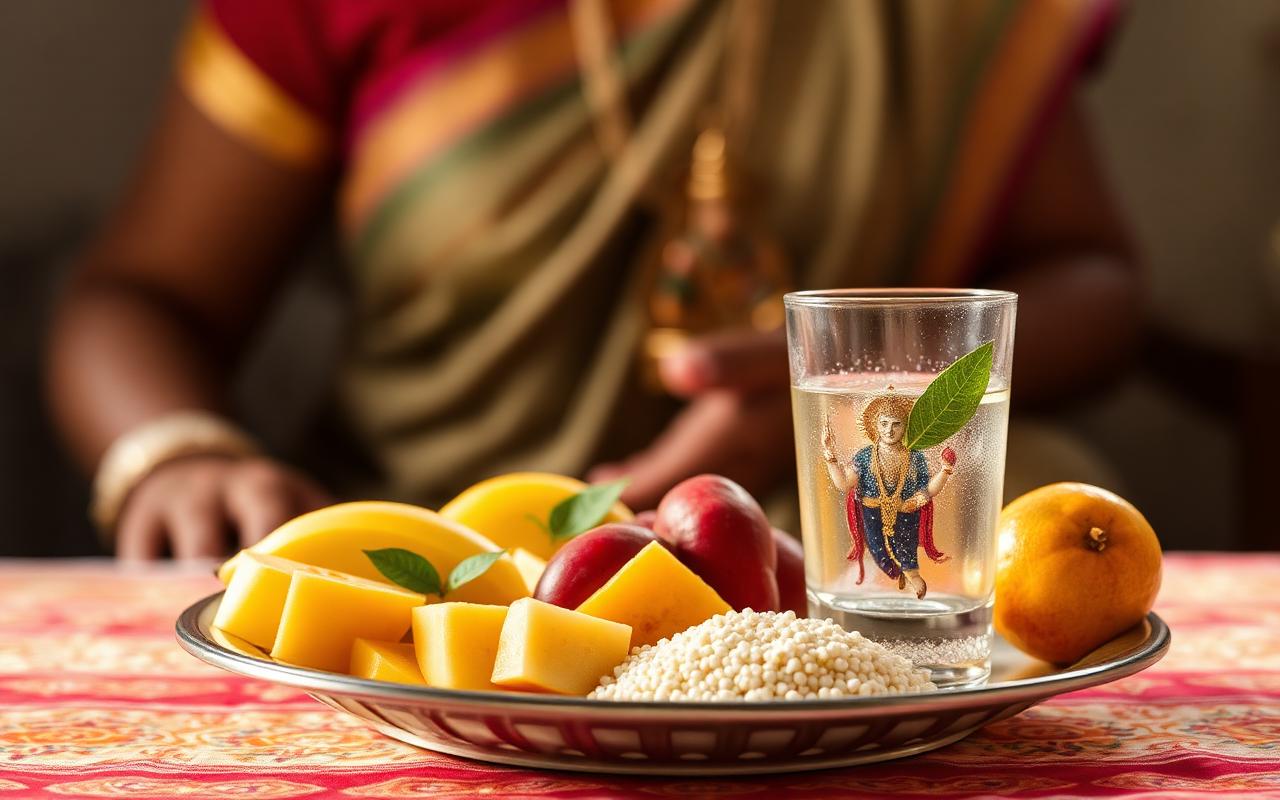
Tuesday Vrat - Mangal Vrat - for Hanuman and Mars. Recommended for debts (Mars rules debts), enemies, blood disorders, weak Mars in the chart, and for boys seeking confidence and strength. The Vrat involves a simple satvik diet, often only fruits or one meal of khichdi or sabudana, and reading the Hanuman Chalisa at sunrise and sunset. Classical Sankalpa: 21 or 41 consecutive Tuesdays.
Wednesday Vrat - Budh Vrat - for Vishnu and Mercury. Less commonly observed but classically prescribed for speech defects, business obstacles, weak Mercury, and for students. Involves a green-coloured satvik diet (green vegetables, moong dal) and reading from the Vishnu Sahasranama.
Thursday Vrat - Guru Vrat or Brihaspati Vrat - for Vishnu, Brihaspati, and Jupiter. One of the most widely observed Vrats in India. Recommended for wisdom, financial stability, children, marriage (especially for unmarried women), and weak or afflicted Jupiter. The Vrat traditionally involves a yellow-coloured satvik diet (chana dal, turmeric rice, banana, pumpkin), reading from the Brihaspati Stotra, and donations to teachers, priests, or children's education. Many families do 16 consecutive Thursdays as a Sankalpa.
Friday Vrat - Shukra Vrat or Santoshi Maa Vrat - for Lakshmi, Santoshi Maa, and Venus. Recommended for prosperity, marital harmony, the well-being of women in the family, and weak Venus. The famous Santoshi Maa Vrat involves abstention from sour foods for 16 consecutive Fridays and a specific story-reading ritual. The Shukra Vrat involves a white satvik diet (kheer, milk products, white sweets) and Sri Suktam recitation.
Saturday Vrat - Shani Vrat - for Shani and Hanuman. Recommended during Sade Sati and Ashtama Shani. The Vrat is austere by design - usually one meal of khichdi or roti with no salt or sugar, no spices, no oil. Read the Dasharatha Shani Stotra or the Shani Chalisa. Donate black sesame, mustard oil, or food to the elderly and the labourer class. Hanuman Chalisa on Saturday evening is the standard pacifier.
Sunday Vrat - Ravi Vrat - for Surya. Recommended for father-related issues, career, leadership, heart and bone health, and weak Sun. The Vrat involves abstention from salt for the full day, one meal at noon of wheat, jaggery, and rice, and offering arghya to the rising sun. Read the Aditya Hridayam. Classical Sankalpa: 11 consecutive Sundays.
Lunar Vrats. Beyond the weekly cycle, the most important lunar Vrats are: Ekadashi (the eleventh lunar day after each new and full moon, observed by Vishnu devotees as a complete fast - no food, sometimes no water - for 24 hours; this is the single most spiritually purifying Vrat in the tradition). Pradosh (the thirteenth lunar day, observed by Shiva devotees with an evening Shiva worship and a single meal). Chaturthi (the fourth lunar day, observed by Ganesha devotees, especially the famous Sankashti Chaturthi).
Annual Vrats. Karva Chauth, Hartalika Teej, Navratri (nine days of partial fasting for the Goddess), Maha Shivaratri (a 24-hour fast for Shiva), Krishna Janmashtami, and others mark specific points in the Hindu calendar with their own dedicated Vrats.
Practical guidance. If you are new to Vrat, start with one weekday Vrat that matches a planetary need in your chart, and commit to a 16-week Sankalpa. Do not undertake multiple Vrats simultaneously. Take medical advice if you have diabetes, low blood pressure, or are pregnant - the spiritual benefit is not worth a hospital admission. The traditional Vrat foods (sabudana, fruits, milk products, kuttu, singhada flour) are specifically designed to be light, nutritionally complete, and easy on the digestive system.
After a few months of consistent weekly Vrats, most practitioners notice a quiet but unmistakable shift - a settling of the mind, a sharpening of intuition, and a sense that the day of the Vrat itself becomes a punctuation mark in the week that re-orients the rest of it. The Vrat is not the abstention; the Vrat is what the abstention makes room for.
Want personal guidance on this?
Speak to an acharya for a chart-based consultation tailored to your situation.
Frequently Asked Questions
Which day is best for starting a spiritual practice?+
Thursdays (Guruvar) and the Shukla Paksha Panchami tithi are traditionally most auspicious for initiating any sadhana. Your personal Nakshatra also influences the ideal start day.
Is the guidance in "Fasting in Hindu Tradition: Why Each Day Has Its Own Vrat" authentic and lineage-based?+
Yes. Every article on VedicAstroTalk is written by lineage-trained acharyas of Shree Pitambra Vidya Gurukulam and cross-checked against classical Sanskrit texts such as Brihat Parashara Hora Shastra, Phaladeepika, and Jaimini Sutras before publication.
How can I get a personal reading based on this topic?+
Book an Astrological Consultation from our consultations page. You will receive a sidereal chart (Lahiri ayanamsa), a 20-year Vimshottari Dasha map, and a written remedial protocol tailored to your birth details.