
10 Practical Vastu Tips for a Peaceful, Prosperous Home
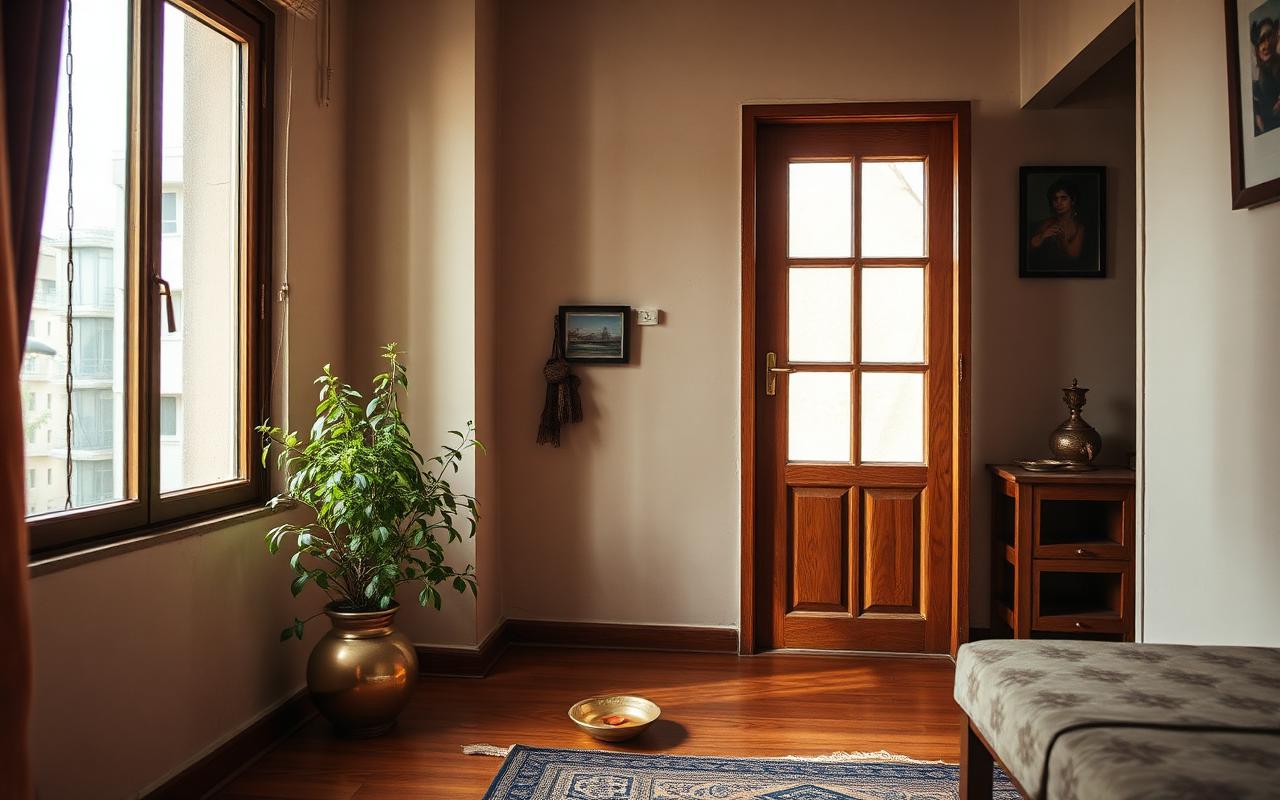
Vastu Shastra is the Vedic science of architecture and space. Like its better-known Chinese cousin Feng Shui, Vastu is concerned with the flow of subtle energy through a built environment - but Vastu is older, more systematic, and rooted in the cosmology of the Pancha Mahabhutas (five elements) and the eight directions ruled by their respective deities.
Classical Vastu prescribes the ideal house - entrances, room placement, water source, fire source, and so on. But almost no one in modern India lives in a classically built Vastu home. Most of us live in apartments designed by architects who never opened a Vastu text. The good news is that 80% of the benefit of Vastu can be captured with ten simple adjustments that you can make this weekend, in any apartment, without breaking a single wall.
1. Keep the north-east (Ishanya) corner clean, light, and unobstructed. This corner is the zone of divinity. The puja room belongs here. A heavy bookshelf, a storeroom, a toilet, or a staircase in the north-east blocks the most important energy gradient in the home. If you cannot move what is in the north-east, at least keep that corner spotlessly clean, light a small lamp there daily, and do not store rubbish, broken things, or shoes there.
2. The kitchen belongs in the south-east (Agneya), the zone of fire. The cook should ideally face east while cooking. If your kitchen is in the south-east, you are already aligned. If it is in the north-east or south-west, it is a Vastu dosha - partially correctable by orienting the stove towards the south-east of the kitchen itself and ensuring the cook faces east.
3. Sleep with your head pointing south or east, never north. Classical texts are emphatic about this. The Earth's magnetic field runs north to south. Sleeping with your head to the north creates a low-grade circulatory conflict - many people with chronic insomnia or restless sleep find immediate improvement just by reorienting the bed. East is the second-best direction, supporting wakeful, productive sleep. West is acceptable. South is best for deep, dreamless sleep.
4. Place the main safe, almirah, or wealth cupboard in the south-west (Nairutya), with its door opening to the north. The south-west is the heaviest, most stable zone, ruled by the Pitrs (ancestors). Heavy storage belongs here. The opening to the north invites the energy of Kubera, the lord of wealth.
5. Avoid mirrors directly facing the bed. Mirrors reflect and disturb subtle energy at night. If a mirror cannot be moved, cover it with a cloth at night.
6. Remove broken clocks, dead plants, chipped crockery, and rusted iron from the home immediately. Classical Vastu calls these objects 'energy holes' - they trap stagnant energy and quietly drain the vitality of the household. The single Vastu intervention with the most dramatic and immediate effect is often just a thorough decluttering of broken objects.
7. Hang a Vastu-corrected copper or brass pyramid in the Brahmasthan - the centre of the home. If you have heavy beams crossing the centre, place a Vastu pyramid under each beam to neutralise the downward pressure.
8. Place a tulsi plant in the north or east of the house, preferably by a window that gets morning sun. Tulsi is the only plant that traditional Vastu considers actively beneficial inside the home boundary - it purifies the air and the subtle field.
9. Avoid a staircase or toilet in the north-east, and avoid a kitchen directly above the puja room, a bedroom directly above or below a toilet, or a bed placed under a heavy beam. These are the most common Vastu doshas in modern apartments. Some can be corrected with Vastu pyramids or sealed copper plates; some are minor and can be lived with; some, if severe, deserve a proper Vastu consultation.
10. Fix any water leakage immediately. A leaking tap, a dripping pipe, a damp wall - Vastu treats these as wealth drainage. The astrology of it aside, leaks left unattended also produce real long-term structural and health problems.
Beyond these ten, a deeper Vastu consultation will look at the orientation of the main door (north and east-facing main doors are most auspicious), the slope of the floor (the north-east should be slightly lower than the south-west), the location of the water source (north-east is best), and the placement of the deity in the puja room (deities should face west so you face east while praying).
Vastu is not superstition. It is centuries of accumulated observation about how built spaces affect the people inside them. Try a few of these ten adjustments and watch what shifts in your home over a month. The effect is usually quiet but unmistakable - the house starts to feel like it is breathing.
Want personal guidance on this?
Speak to an acharya for a chart-based consultation tailored to your situation.
Frequently Asked Questions
Can Vastu corrections work without breaking walls?+
Yes - most remedies use direction-specific colours, metals, yantras, and mirror placement. Structural changes are only recommended when energy blockage is severe and confirmed by on-site scanning.
Is the guidance in "10 Practical Vastu Tips for a Peaceful, Prosperous Home" authentic and lineage-based?+
Yes. Every article on VedicAstroTalk is written by lineage-trained acharyas of Shree Pitambra Vidya Gurukulam and cross-checked against classical Sanskrit texts such as Brihat Parashara Hora Shastra, Phaladeepika, and Jaimini Sutras before publication.
How can I get a personal reading based on this topic?+
Book an Astrological Consultation from our consultations page. You will receive a sidereal chart (Lahiri ayanamsa), a 20-year Vimshottari Dasha map, and a written remedial protocol tailored to your birth details.